Sorry, your browser is not supported. For a better experience, keep your browser up to date. Check here for latest versions
Lacrosse Sportswear is becoming more specialized as teams demand lighter fabrics, stronger protection, and consistent customization. Grand View Research valued the global sports apparel market at approximately USD 248 billion in 2023. It also projects continued growth through 2030. This wider market creates opportunities for capable Chinese manufacturers. However, broad market growth does not guarantee reliable lacrosse production.
Lacrosse requires practical details. A jersey must survive repeated stick contact, washing, and intense movement. Shorts need flexible panels, secure waistbands, and accurate sizing. Leading China Lacrosse Sportswear manufacturers typically offer OEM and ODM services, sublimation printing, embroidery, fabric sourcing, and packaging support. Their real value appears in production evidence, not attractive catalog images. Buyers should review fabric test reports, size samples, stitching quality, colorfastness, and inspection records. Small details matter.
World Lacrosse reports a growing international network of national governing bodies, showing the sport’s expanding global reach. SFIA’s 2024 Topline Participation Report also helps track participation trends in the United States, one of lacrosse’s largest commercial markets. These reports provide useful direction, but they cannot rank individual factories. No shortlist is perfect. Supplier capacity, communication, ethical employment standards, and delivery performance still require direct verification. A careful comparison should examine documented experience, quality-control systems, certifications, and transparent production timelines. The best manufacturer may not offer the lowest quotation. Sometimes, the cheapest sample reveals the most.
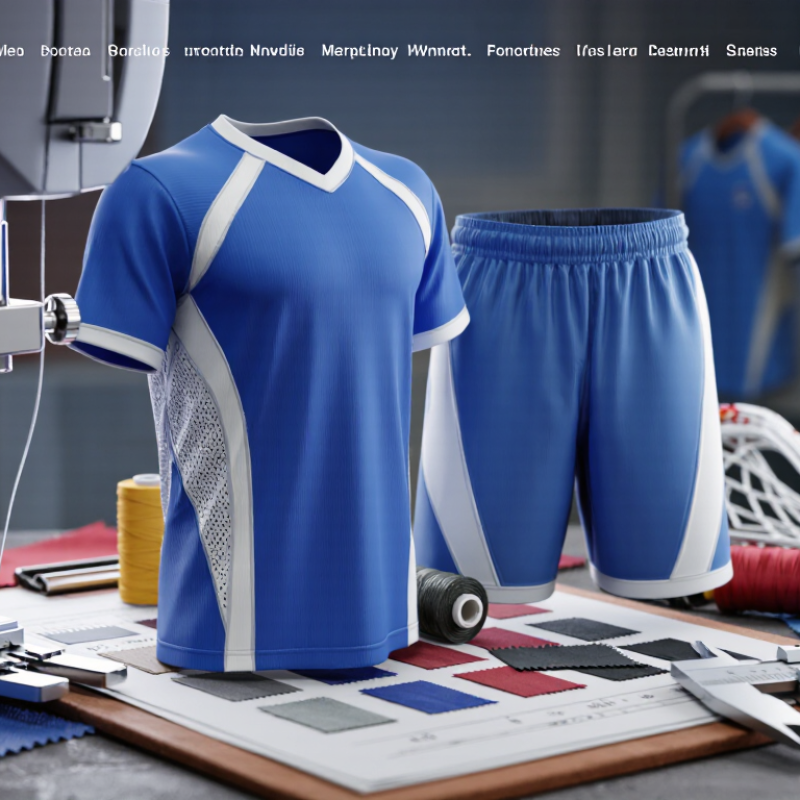
Lacrosse sportswear manufacturers in China develop, produce, and inspect clothing for training and competitive play. Their work includes jerseys, shorts, skirts, warm-up layers, and customized team uniforms. They convert a team’s artwork into fabric choices, size charts, stitching instructions, and production samples.
Practical experience matters. A capable manufacturer checks shoulder width, armhole movement, and collar pressure during fitting. Players need freedom when passing, shooting, and defending. Lightweight polyester can improve moisture control, but an overly thin fabric may tear during contact. That trade-off deserves honest discussion.
Manufacturers also support material testing and quality control. They may review colorfastness, seam strength, shrinkage, and print durability before bulk production. Sample garments should be washed and tested through realistic movement. Field feedback can reveal problems that factory measurements miss. Small details matter.
Reliable suppliers keep clear records for fabric batches, inspections, approvals, and delivery schedules. They should explain limitations instead of promising everything. A missed measurement can affect an entire team. So can inconsistent sizing. Buyers benefit from written specifications, pre-production samples, and independent quality checks. No factory gets every decision right. Reflection improves the next production cycle.
Top China Lacrosse Sportswear Manufacturers
Lacrosse sportswear depends on movement, ventilation, and repeated contact. Core products include reversible jerseys, game shorts, practice pinnies, compression layers, and padded tops. Reversible jerseys often use lightweight polyester mesh, with reinforced seams around the shoulders and armholes. A 2024 Textile Exchange report estimated that polyester represented about 57% of global fiber production in 2023. Recycled polyester accounted for roughly 14% of polyester output. These figures explain its widespread use, but recycled content does not automatically mean sustainable production. That assumption needs closer checking.
Material selection should match the playing condition. Polyester interlock provides a smoother surface and stable color. Mesh panels improve airflow beneath the arms and across the back. Elastane, usually blended at a low percentage, supports stretch in compression garments and fitted shorts. Nylon can improve abrasion resistance, especially around waistbands and pocket openings. Foam padding, commonly used in protective tops, must balance impact absorption with ventilation and low weight. The International Organization for Standardization’s ISO 12947 abrasion method can help evaluate fabric durability, while colorfastness testing helps prevent dye transfer after washing. Manufacturers should also verify shrinkage, seam strength, and print adhesion before bulk production. Small failures matter. A loose thread can catch during a sprint, while overly dense fabric may turn a hot afternoon into an avoidable endurance test.
| Product Category | Primary Function | Common Materials | Typical Construction | Key Performance Properties | Common Customization Options |
|---|---|---|---|---|---|
| Lacrosse Game Jerseys | Team identification and unrestricted movement during games | Polyester mesh, interlock polyester, recycled polyester options, elastane blends | Athletic cut with reinforced seams, mesh ventilation zones, rib-knit or stretch binding | Lightweight feel, moisture management, breathability, quick drying, abrasion resistance | Sublimated graphics, heat-transfer numbers, embroidered details, sleeve and hem adjustments |
| Practice Jerseys | Repeated training use and team drills | Polyester jersey knit, polyester mesh, cotton-polyester blends for selected casual styles | Relaxed athletic fit, double-needle stitching, ventilated side panels | Durability, color retention, easy care, low moisture absorption, comfortable movement | Team colors, player numbers, training slogans, size grading, bulk packaging |
| Lacrosse Shorts | Lower-body mobility and lightweight coverage | Woven polyester, stretch polyester, polyester-elastane fabric | Elastic waistband, internal drawcord, gusseted or articulated panels, mesh inserts | Four-way or two-way stretch, quick drying, tear resistance, secure fit | Inseam length, pocket configuration, sublimated side panels, reflective details |
| Compression Tops and Shorts | Base-layer support, reduced garment movement and muscle coverage | Nylon-elastane, polyester-elastane, recycled synthetic stretch fabrics | Flatlock seams, body-mapped panels, elastic hems and close-to-skin fit | Stretch recovery, moisture wicking, reduced chafing, supportive fit and breathability | Compression level, panel placement, inseam, neckline and sleeve length |
| Warm-Up Jackets | Pre-game warm-up, travel and light weather protection | Polyester woven shell, polyester tricot, mesh lining, elastane trim | Full-zip or quarter-zip design, stand collar, elastic cuffs, zippered pockets | Wind resistance, low weight, packability, ventilation and moderate water repellency | Hooded or non-hooded construction, color blocking, team decoration, pocket layout |
| Rain Shells | Protection from rain and wet field conditions | Coated polyester or nylon, laminated membrane fabrics, seam-sealing tape | Adjustable hood, storm flap, elastic cuffs, bonded or taped seams | Water resistance, wind protection, light packable construction and durability | Waterproof rating, hood design, ventilation openings, printed graphics and fit profile |
| Protective Padded Tops | Additional coverage beneath equipment in contact areas | Polyester-spandex base fabric, EVA foam, closed-cell foam, mesh ventilation fabric | Close-fitting body with segmented padding at shoulders, ribs or upper arms | Impact absorption, flexibility, ventilation, secure positioning and abrasion protection | Padding thickness, coverage zones, neckline, sleeve length and removable inserts |
| Goalkeeper Apparel | Mobility and added coverage for goalkeeping activities | Stretch polyester, nylon-elastane, breathable mesh, foam padding | Articulated sleeves, ergonomic panels, reinforced high-contact areas | Flexibility, impact cushioning, ventilation, moisture control and durable construction | Padding placement, sleeve shape, body length, color layout and fit grading |
| Socks and Team Accessories | Foot comfort, team coordination and training support | Polyester, nylon, cotton blends, elastane, acrylic or polypropylene yarns | Knitted construction with elastic arch support, ribbed cuff and reinforced heel/toe | Moisture management, stretch recovery, cushioning, odor-control treatment options | Knit patterns, height, cushioning level, size range and team-color combinations |
Note: Material composition, performance specifications and customization availability vary by product design, supplier capability and applicable testing requirements.
Top China Lacrosse Sportswear Manufacturers often compete through production control and flexible customization. Reliable manufacturers should document fabric composition, colorfastness, shrinkage, and seam-strength results. These records make quality discussions more practical than attractive product photos.
A strong factory checks panels before cutting. It measures mesh tension, sleeve opening, shoulder width, and garment length against an approved size chart. During sewing, inspectors examine stitch density and reinforcement around high-movement areas. Moisture-managing fabric should be tested, not simply described as breathable. Some suppliers may hold ISO-related certificates, but buyers should verify the certificate scope and validity. Small details matter.
Customization can include sublimated graphics, embroidered marks, woven labels, contrast panels, and player numbering. Digital artwork should be reviewed at full size before production. Color references need a physical approval sample because screens can mislead. A useful manufacturer accepts revisions to fit, fabric weight, and neckline shape. Minimum order quantities, sample fees, lead times, and replacement policies should be written clearly.
No sampling process is flawless. A first sample may look accurate but feel tight during a shooting motion. This is where wear testing exposes problems that factory measurements miss. A dependable supplier records the feedback, adjusts the pattern, and confirms the revised sample before bulk cutting. Buyers should also request pre-shipment inspection photos and carton details. Clear evidence builds trust better than confident promises.
Top China Lacrosse Sportswear Manufacturers
How to Evaluate China-Based Lacrosse Sportswear Suppliers
Evaluating a China-based lacrosse sportswear supplier requires more than comparing quoted prices. Start with production experience, material knowledge, and clear communication. Ask how long the factory has made team apparel and request recent, verifiable production examples. A polished sample can mislead. Inspect the stitching, collar shape, fabric weight, and printed graphics under normal light.
Request fabric specifications before approving bulk production. Useful details include polyester composition, fabric weight, stretch recovery, moisture management, and colorfastness results. Ask for size charts with garment measurements, not only generic labels. Order pre-production samples in several sizes. Test them during drills, contact practice, and repeated washing. Small problems appear quickly.
Reliable suppliers should explain minimum order quantities, sampling fees, production stages, and realistic lead times. Confirm who checks measurements, print placement, stitching, and packing. Factory videos help, but a live video inspection or independent audit provides stronger evidence. Written records matter. Keep approved samples, artwork files, measurement sheets, and inspection standards together. Payment terms and defect handling should also be stated clearly.
Do not select a supplier only because the first quotation is low. Low prices may hide thinner fabric, weak elastic, or inconsistent sizing. I would also question impressive promises without test documents or production evidence. A supplier may communicate well yet struggle with urgent revisions. That weakness deserves attention before a team order is placed. Reliable performance is built through transparent checks, repeat sampling, and honest conversations about what could go wrong.
A 100-point procurement scorecard for comparing lacrosse sportswear suppliers without relying on brand or company data.
Quality and compliance receive the highest weighting because durable stitching, colorfastness, fabric performance, and documented production controls directly affect player safety and product consistency. Material performance, customization capability, lead time, minimum order flexibility, and communication should also be reviewed before placing a production order.
Top China Lacrosse Sportswear Manufacturers
International buyers should assess manufacturing experience before comparing prices. A capable supplier should understand lacrosse movement, contact points, and layered team uniforms. Ask for recent samples, not only digital catalog images. Check stitching around shoulders, stretch panels, collar edges, and pocket openings. These details often reveal production skill.
Fabric performance deserves practical testing. Request weight, fiber content, colorfastness, breathability, and shrinkage data. A sample should survive repeated washing without twisted seams or fading numbers. Ask how each batch is inspected. Reliable manufacturers can explain sampling methods, defect limits, and corrective actions. They should also provide clear records for material sourcing and production stages.
Communication is equally important. Confirm size charts, artwork files, packing labels, minimum order quantities, and delivery dates in writing. Buyers should review factory capacity during peak seasons. A low quoted price may hide slower sampling or weaker inspection. Look for documented quality systems and relevant product testing, while checking whether certificates match the actual factory and fabric. Do not rely on promises alone.
Small errors matter. I once underestimated the effect of sleeve tightness on player comfort. A better process includes feedback from athletes, coaches, and kit managers. Request a pre-production sample, then test it during drills and contact practice. No checklist is perfect. Leave room for one more fitting review before approving bulk production.