Sorry, your browser is not supported. For a better experience, keep your browser up to date. Check here for latest versions
Global buyers are examining airless packaging solutions as skincare, personal care, and pharmaceutical brands demand cleaner dispensing and stronger product protection. These systems use a piston or flexible bag to reduce backflow, limit air exposure, and deliver controlled doses. Picture a compact pump dispensing a serum without an exposed dip tube. Small details matter.
Grand View Research estimates that the global airless packaging market was worth approximately US$6 billion in 2023 and will continue expanding through the decade. However, market figures differ. Researchers use different definitions for pumps, bottles, cartridges, and complete dispensing systems. That gap deserves attention, not convenient optimism. Smithers’ global packaging studies also identify sustainability, premium presentation, and material efficiency as major purchasing influences. Buyers therefore need more than attractive samples. They need verified barrier performance, closure compatibility, dose consistency, and reliable supply capacity.
This guide evaluates leading airless packaging solutions for international procurement teams. It considers refillable designs, PCR-compatible materials, mono-material structures, aluminum options, and custom decoration. It also examines practical testing, including leakage checks, vacuum recovery, actuator performance, and compatibility with oils, acids, and emulsions. ISO 15378 may support quality expectations for pharmaceutical primary packaging, while cosmetic buyers should confirm applicable regional standards. The EU Packaging and Packaging Waste Regulation, Regulation (EU) 2025/40, will apply from August 12, 2026, increasing the importance of recyclability and packaging reduction. No solution is perfect. A lighter pump may improve shipping efficiency but complicate recycling. A refill system may reduce waste but require better consumer handling. Careful sourcing remains the safer path.
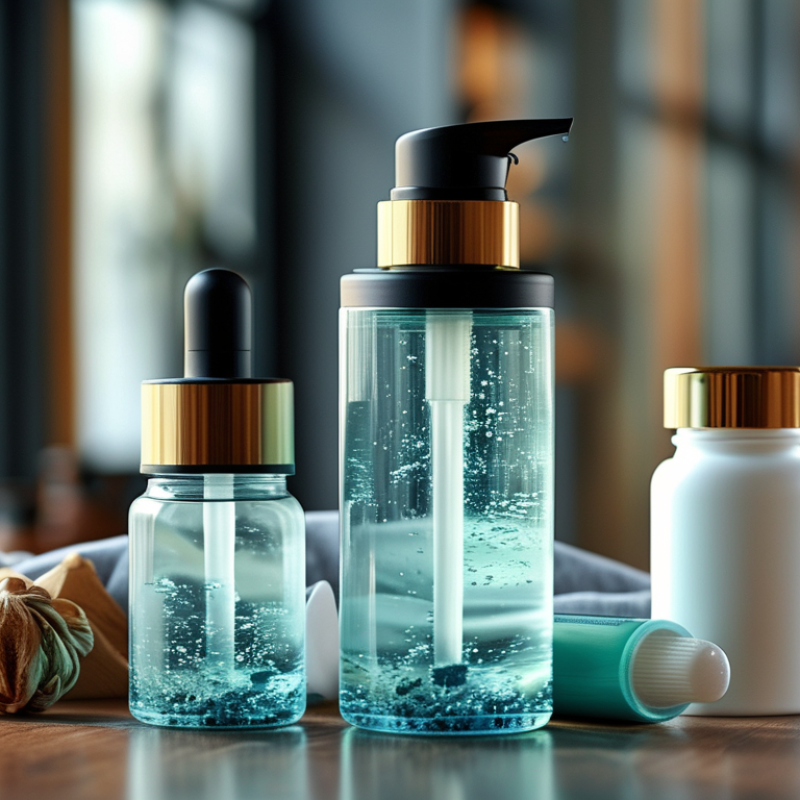
Airless packaging uses pressure, not a traditional dip tube, to move product toward the dispenser. A piston rises beneath the formula as the user presses the actuator. In some designs, a flexible inner pouch contracts instead. This creates a controlled vacuum and helps limit air contact. Less air can reduce oxidation, drying, and contamination risks during normal use. It also supports more consistent dosing, especially with thick creams or sensitive serums.
The mechanism is simple. The experience is not always perfect. Poorly matched formulas may clog narrow openings or leave residue near the piston. According to Grand View Research, the global airless packaging market was valued at approximately USD 5 billion in 2023 and is projected to expand through 2030. Smithers’ packaging forecasts also identify lightweighting, recyclability, and material reduction as major development priorities. These findings matter to global buyers because performance alone is no longer enough. A package should dispense nearly all its contents, withstand shipping pressure, and fit local recycling systems. Many airless packs use multiple materials, which can complicate recovery. That weakness deserves attention. Buyers should test dosage accuracy, seal integrity, compatibility, and empty-pack behavior before large-scale procurement. The smallest details matter.
Airless packaging protects formulas by limiting contact with air, fingers, and repeated exposure. This design can help preserve texture, scent, and active ingredients during daily use. It also reduces product left behind in the container. Less waste can improve both user satisfaction and purchasing value. In practical packaging evaluations, teams often test pumps after storage, shipping, and repeated dispensing. A clean, steady dose matters.
Global markets bring different climates and supply conditions. Packaging may face hot containers, cold warehouses, humidity, or long transport routes. Airless systems can reduce contamination risks when users apply products directly from the dispenser. They also support controlled dosing, which helps users avoid squeezing out too much product. This is especially useful for lotions, creams, serums, and other sensitive formulas. However, airless packaging is not a magic answer.
Compatibility testing remains essential. A formula may react with certain plastics, seals, or internal components. Buyers should review leakage results, pump performance, material composition, and recycling guidance. Clear technical records build trust with distributors and retailers. They also make quality discussions easier across borders. A thoughtful supplier should explain limitations, not only benefits. Some systems use more components than simple jars, so their environmental impact deserves honest review. Reliability comes from testing the complete package, not praising the dispenser alone.
Airless packaging is becoming a practical choice for global buyers seeking controlled dispensing and longer product protection. Grand View Research’s 2024 market analysis projects steady airless packaging growth through 2030, supported by skincare, personal care, and pharmaceutical applications. The format matters.
Common options include pump bottles, airless jars, tubes, and dual-chamber containers. Pump bottles suit lightweight lotions and serums, while jars provide wider openings for thicker creams. Tubes improve portability and reduce hand contact. Dual-chamber systems separate incompatible formulas until dispensing. Some pumps deliver a fine 0.2-milliliter dose, but actual performance depends on viscosity, closure design, and filling accuracy.
Material selection requires more than appearance. PP offers chemical resistance and simple processing. PE provides flexibility for tubes and squeezable packs. PET delivers clarity and stiffness, while glass adds weight and a premium tactile experience. Recycled plastic can support sustainability goals, but it may change color, odor, or barrier performance. The OECD’s Global Plastics Outlook reports that only 9% of plastic waste was ultimately recycled, exposing the gap between recyclable design and real recycling capacity. Buyers should test formula compatibility, oxygen exposure, leakage, pump recovery, and empty-pack separation in target markets. Small details matter. A beautiful package can still fail during shipping.
Airless bottles provide the broadest capacity range for skincare, personal care, and cosmetic formulas. Airless jars are commonly selected for creams, while airless tubes support portable and controlled dispensing. Typical material options include PP and PE plastics, PET components, multilayer structures with barrier layers, and glass or aluminum elements for specific design and protection requirements. Capacity ranges shown are representative commercial formats and may vary by supplier and component design.
Choosing airless packaging starts with the formula, not the container’s appearance. Creams, serums, and lotions with sensitive oils or active ingredients need limited exposure to oxygen and repeated hand contact. An airless pump can reduce backflow and help deliver controlled doses. It is not a universal solution, though. Very thick balms may require a wider actuator, while watery products can leak through poorly matched valves.
Product testing should measure viscosity, dosage accuracy, recovery, and compatibility with the inner pouch or piston. Test the package after heat, cold, transport vibration, and repeated dispensing. A 30 ml bottle may suit a concentrated serum, but a 100 ml format can improve usability for daily body care. Small details matter. A slippery cap fails quickly.
Market evidence supports careful investment. Smithers’ The Future of Global Packaging to 2028 forecasts the global packaging market will exceed 1.2 trillion US dollars by 2028, increasing pressure for efficient and lower-waste formats. Grand View Research’s Airless Packaging Market report also identifies rising demand for product protection and controlled dispensing. Yet sustainability claims need scrutiny. More components can complicate recycling. Refill systems may reduce material use, but only when consumers actually reuse them. Buyers should request migration, leakage, and shelf-life data, then compare real test results rather than relying on attractive samples. Mistakes happen. A package that works in a laboratory may still disappoint in humid bathrooms or during international shipping.
| Product Category | Typical Viscosity | Recommended Airless Format | Common Capacity Range | Suitable Material Options | Barrier Requirement | Typical Dispensing Feature | Key Selection Considerations |
|---|---|---|---|---|---|---|---|
| Facial Serum | Low to medium | Airless pump bottle | 15–50 ml | PP, PET, or multilayer plastic | Moderate protection from air and light | Fine-output pump, approximately 0.2–0.5 ml per stroke | Check formula flow, seal integrity, priming performance, and compatibility with active ingredients. |
| Face Cream | Medium to high | Wide-orifice airless pump bottle or jar-style airless pack | 30–100 ml | PP, PE, PET, or multilayer plastic | Moderate to high protection from oxygen exposure | Medium-output actuator, approximately 0.5–1.0 ml per stroke | Select a larger product pathway and test the package with emulsions containing waxes, oils, or powders. |
| Eye Cream | Medium to high | Compact airless pump bottle | 10–30 ml | PP or multilayer plastic | High protection from contamination and oxidation | Controlled low-dose pump, approximately 0.15–0.4 ml per stroke | Prioritize accurate dosing, smooth actuation, small residual volume, and hygienic product contact surfaces. |
| Sunscreen Lotion | Medium | Large airless pump bottle | 75–200 ml | HDPE, PP, or multilayer plastic | High protection from light and air when formula requires it | Medium to high-output pump, approximately 0.8–1.5 ml per stroke | Evaluate UV-sensitive ingredients, pigment dispersion, pump output, and resistance to repeated beach or outdoor use. |
| Liquid Foundation | Low to medium | Airless pump bottle with narrow orifice | 20–50 ml | PP, PET, or multilayer plastic | Moderate protection from air, evaporation, and light | Controlled pump, approximately 0.3–0.8 ml per stroke | Confirm color stability, pigment compatibility, anti-drip performance, and clean dispensing at low fill levels. |
| Liquid Concealer | Medium | Small airless pump bottle | 5–20 ml | PP or multilayer plastic | Moderate protection from drying and oxidation | Low-output pump, approximately 0.15–0.4 ml per stroke | Use a narrow product path and verify that pigments do not settle, clog, or cause inconsistent dosing. |
| Hair Styling Cream | Medium to high | Large airless pump bottle | 100–250 ml | HDPE or PP | Moderate protection; depends on oils, fragrances, and preservatives | High-output pump, approximately 1.0–2.0 ml per stroke | Test thick formulas, hold-down resistance, repeated actuation, and compatibility with fragrance oils. |
| Liquid Hand Soap | Low to medium | Large airless pump bottle | 150–500 ml | HDPE, PP, or PET | Standard protection from contamination and leakage | High-output pump, approximately 1.0–2.0 ml per stroke | Consider frequent-use durability, foaming behavior, pump recovery, and compatibility with surfactants. |
| Pharmaceutical Topical Cream | Medium to very high | Metered airless pump bottle | 30–150 ml | PP, HDPE, or multilayer plastic | High protection from oxygen, moisture, and external contamination | Metered pump, commonly approximately 0.5–1.0 ml per stroke | Require documented compatibility, dose consistency, extractables and leachables assessment, and stability testing. |
| Dental or Oral Care Gel | Medium to high | Small or medium airless pump bottle | 30–100 ml | PP or HDPE | High hygiene protection and good chemical resistance | Controlled pump, approximately 0.3–1.0 ml per stroke | Confirm oral-contact suitability where applicable, flavor compatibility, clean-off behavior, and clog resistance. |
Global buyers evaluating airless packaging should treat sourcing as a compliance project, not only a price negotiation. The OECD’s Global Plastics Outlook reports that packaging generated about 40% of global plastic waste in 2019. This makes material selection commercially important. Buyers should request resin identification, recycled-content evidence, and recyclability testing before approving samples. A lighter pump is not automatically a better solution.
Ask suppliers for documented control plans. These should cover dose accuracy, vacuum recovery, leakage, torque, and container compatibility. ISO 15378 provides useful guidance for quality management in primary packaging production. For cosmetic products, technical files should also support applicable market requirements, including the European Cosmetics Regulation and current United States reporting obligations. Keep every test result traceable to a batch.
Small details matter. A 50 ml package may deliver uneven doses after repeated use. Thick creams can leave residue around the piston. Cold transport may change actuator resistance. ASTM packaging test methods and supplier-specific protocols can help reveal these weaknesses, but they are not interchangeable. Buyers should compare at least three production lots, not one attractive prototype. I have seen sourcing decisions fail because decoration quality received more attention than seal performance. That mistake remains easy to repeat. Procurement teams should also check lead times, mold ownership, backup tooling, and factory inspection records before signing.