Sorry, your browser is not supported. For a better experience, keep your browser up to date. Check here for latest versions
China’s construction sector creates steady demand for durable, readable, and rapidly deployable site graphics. Construction Banner products now support project identification, safety communication, contractor branding, and public-facing information. They appear on mesh fencing, temporary walls, hoardings, and building façades.
Market evidence supports this practical demand. The China construction market is covered extensively by Research and Markets, Statista, and GlobalData. Their reports describe China as one of the world’s largest construction economies, with infrastructure, commercial development, and urban renewal remaining major investment areas. Smithers’ printed signage research also highlights outdoor durability, weather resistance, and large-format production as important purchasing factors. These findings do not create a perfect banner ranking. They provide useful evaluation signals.
Lori Anderson, former president and chief executive of the International Sign Association, stated, “Signs are the most effective form of advertising for small businesses.” Her observation also applies to contractors seeking visible, cost-efficient project communication. A well-made Construction Banner should withstand rain, ultraviolet exposure, wind, and repeated installation. Its text should remain legible from a moving vehicle or across a crowded worksite.
This guide reviews China’s top 10 Construction Banner manufacturers through production capability, fabric quality, printing consistency, finishing options, customization, delivery experience, and documented customer support. Factory photographs can be persuasive, but they are not enough. Material certificates, test samples, color proofs, and real project evidence deserve closer attention. Some manufacturers may look similar online. Their quality can differ sharply in stitching, eyelet spacing, ink adhesion, and packing protection. That is where careful comparison becomes necessary.
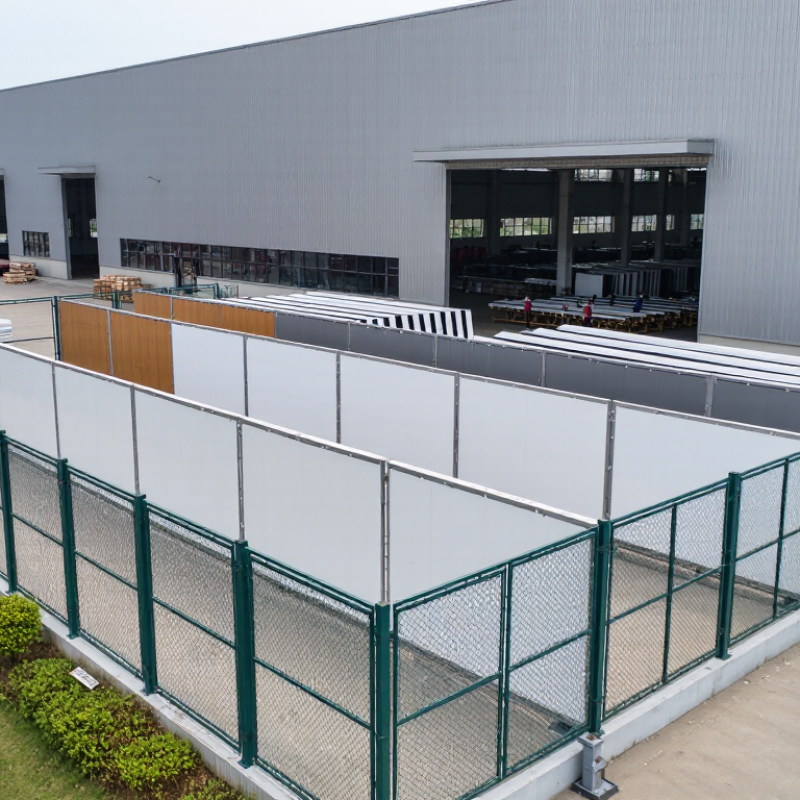
China’s construction sector recorded RMB 31.59 trillion in output in 2023, creating strong demand for site banners, safety notices, and project signage. This scale gives banner manufacturers valuable experience across bridges, housing developments, factories, and transport projects. It also raises expectations for weather resistance, readable printing, and dependable delivery.
A practical review of China’s top 10 construction banner manufacturers should examine more than production volume. Buyers can request material specifications, color fastness results, edge-finishing samples, and installation guidance. For outdoor use, reinforced hems, rust-resistant eyelets, and UV-resistant inks matter. A banner may face dust, rain, strong sunlight, and repeated relocation. Small weaknesses become visible quickly.
Quality control is not always easy to judge from a website. Factory visits, sample approvals, and batch inspections provide stronger evidence. Clear production records also improve accountability. No ranking is perfect. Some manufacturers may excel at large orders, while others handle custom sizes more carefully. A low quotation can hide thinner fabric or weaker stitching. That lesson is easy to overlook. Procurement teams should compare service response, testing documents, packaging, and replacement procedures before selecting suppliers for China’s expanding construction market.
China’s construction industry total output value increased from RMB 24.84 trillion in 2019 to RMB 31.59 trillion in 2023, highlighting the scale and sustained expansion of the market relevant to construction banner manufacturers. Data source: National Bureau of Statistics of China.
China Top 10 Construction Banner Manufacturers
Construction banners demand material choices, not just bright graphics. A 2024 MarketsandMarkets report values the global digital printing market at about USD 35 billion. It forecasts nearly USD 49 billion by 2029. This growth supports more short-run, customized site signage.
PVC flex remains practical for solid walls and fences. Its smooth surface produces sharp lettering and strong color density. For windy scaffolding, mesh is safer because perforations reduce air pressure. The trade-off is visible: fine text may look softer. Fabric offers a lighter, premium appearance and folds easily for transport. However, moisture can distort poorly finished fabric. Reflective materials improve night visibility near road-facing projects. They need careful installation, because wrinkles scatter light unevenly.
Small details matter. A 3-meter banner may need reinforced hems, welded pockets, and evenly spaced eyelets. Ask manufacturers for tensile strength, tear resistance, UV exposure results, and flame-performance documentation. According to Smithers’ wide-format signage research, outdoor display graphics remain a major digital-print application, supported by durable substrates and faster production. The report also highlights customization as a continuing demand driver. Still, no material wins every site. I would test a sample against dust, rain, glare, and repeated folding before ordering. That step is often skipped. It should not be.
| No. | Construction Banner Configuration | Primary Material | Typical Weight / Thickness | Wind Performance | Typical Outdoor Service Life | Recommended Printing | Common Construction Applications | Typical Finishing |
|---|---|---|---|---|---|---|---|---|
| 1 | Standard PVC Flex Banner | Coated PVC with polyester scrim | 280–510 g/m²; approximately 0.28–0.40 mm | Low to moderate; suitable for solid, non-perforated graphics | 6–18 months outdoors, depending on climate and exposure | Solvent, eco-solvent, UV, or latex | Temporary site fences, project announcements, contractor signage, and promotional hoardings | Heat-welded or sewn hems; eyelets every 300–500 mm |
| 2 | Heavy-Duty PVC Flex Banner | Reinforced PVC-coated polyester | 510–680 g/m²; approximately 0.40–0.55 mm | Moderate to high when securely tensioned | 12–24 months outdoors | UV, solvent, eco-solvent, or latex | Longer-term construction hoardings, building wraps, and large-format site barriers | Reinforced hems, welded seams, corner patches, and rust-resistant eyelets |
| 3 | PVC Mesh Banner | Perforated PVC-coated polyester mesh | 270–370 g/m²; approximately 0.30–0.45 mm | High; open area commonly ranges from 25% to 40% | 6–18 months outdoors | Solvent, eco-solvent, UV, or latex | Scaffolding covers, high-rise renovation screens, perimeter fencing, and windy locations | Reinforced perimeter, eyelets, rope pockets, or bungee attachments |
| 4 | Frontlit PVC Banner | Opaque white PVC-coated polyester | 440–550 g/m²; approximately 0.35–0.45 mm | Moderate; requires properly spaced fixing points | 9–24 months outdoors | UV, solvent, eco-solvent, or latex | Daytime project graphics, directional signs, site entrances, and temporary advertising panels | Welded hems, eyelets, pole pockets, and reinforced corners |
| 5 | Backlit PVC Banner | Translucent PVC-coated polyester | 450–600 g/m²; approximately 0.40–0.50 mm | Moderate; generally installed inside a lightbox or rigid frame | 6–18 months outdoors, depending on illumination and weather | UV, solvent, or latex with controlled ink density | Illuminated construction displays, night-time project branding, and temporary lightbox graphics | Silicone edging, keder, sewn hems, or reinforced eyelets |
| 6 | Polyester Fabric Banner | Knitted or woven polyester textile | 110–260 g/m² | Low to moderate; best with frame, rail, or close fixing points | 3–12 months outdoors; longer indoors | Dye-sublimation, UV, or direct-to-fabric printing | Indoor construction exhibitions, sales centers, temporary interior partitions, and premium display graphics | Silicone keder, pole pockets, sewn hems, hook-and-loop, or blockout lining |
| 7 | Blockout Fabric Banner | Polyester fabric with an opaque interlayer | 230–320 g/m² | Moderate; intended for stable frames and controlled installations | 6–18 months outdoors; typically longer indoors | Dye-sublimation or UV printing | Double-sided graphics, temporary walls, indoor construction presentations, and premium hoarding systems | Silicone edging, zipper corners, sewn hems, or frame-compatible sleeves |
| 8 | PVC-Free Composite Banner | Polyester or polypropylene-based coated textile | 300–450 g/m² | Moderate; varies according to coating and reinforcement | 6–18 months outdoors | UV, latex, or eco-solvent, depending on the coating | Projects requiring reduced PVC content, temporary fencing, and environmentally specified displays | Welded or sewn hems, eyelets, keder, and reinforced corners |
| 9 | Reflective PVC Banner | Reflective sheeting laminated to PVC or flexible fabric | Approximately 400–600 g/m²; thickness varies by reflective layer | Moderate; reflective surfaces should be tensioned without wrinkles | 6–24 months outdoors, depending on grade and exposure | UV or solvent printing compatible with reflective media | Night-visible work-zone notices, temporary traffic guidance, equipment identification, and safety messaging | Reinforced hems, eyelets, corner patches, and high-visibility borders |
| 10 | Flame-Retardant Mesh or Fabric Banner | Certified flame-retardant PVC mesh or polyester textile | 250–500 g/m², depending on material construction | Moderate to high for mesh versions; dependent on open area | 6–18 months outdoors; certification and exposure affect performance | UV, latex, dye-sublimation, or compatible solvent printing | Public-facing construction sites, event-related projects, indoor venues, and installations requiring fire-performance documentation | Certified seams, reinforced hems, eyelets, keder, or frame-specific edging |
| Specification note: Weight, thickness, service life, wind performance, and fire behavior are typical industry ranges rather than guarantees. Actual performance depends on substrate construction, ink system, UV exposure, temperature, wind load, installation method, fixing spacing, and local safety requirements. Always verify technical datasheets and required certifications before use. | ||||||||
Ranking reliable construction banner manufacturers requires more than a low quotation. ISO 9001 should be verified through a current certificate and matching production scope. The ISO Survey 2022 recorded over 1.2 million ISO 9001 certificates worldwide. Still, certification alone does not prove consistent banner quality. Buyers should inspect batch records, color checks, and corrective-action reports. Experience matters here.
GSM affects banner strength, folding behavior, and installation performance. Common outdoor materials often range from 280 to 550 GSM, depending on mesh, coated PVC, or fabric structure. Print resolution should be measured on the finished banner, not copied from machine specifications. Many wide-format systems advertise resolutions above 1,000 dpi, but viewing distance changes the practical result.
Smithers reports continued growth in digitally printed signage, driven by shorter runs and faster customization. Capacity must therefore include daily square-meter output, finishing equipment, and peak-season staffing. Ask for evidence.
Lead time needs testing. Request a sample order with fixed artwork, quantity, hemming, eyelets, and packaging. Record approval time separately from production time. A supplier promising three days may exclude proofing. That detail matters. The ranking should combine verified capacity, stable GSM, readable graphics, valid ISO documentation, and delivery records. I would also leave room for review; one delayed project can expose weaknesses that polished factory tours conceal.
China’s construction sector recorded output above RMB31 trillion in 2023, according to National Bureau of Statistics data. This scale supports strong demand for site fencing banners, scaffold mesh, safety signage, and project hoardings. The top ten manufacturers in this profile are assessed through product range, factory controls, export experience, and customization capacity.
Most factories offer PVC-coated polyester, knitted mesh, and recyclable fabric options.
Common production lines include digital printing, solvent or UV curing, heat welding, eyelet installation, and roll packing. A capable factory should show ink-adhesion tests, color checks, seam-strength records, and clear material specifications. Smithers’ wide-format printing research highlights continuing growth in digital production, especially for short-run and customized graphics. That trend suits construction projects with changing schedules.
Factory visits reveal practical differences. Some suppliers operate automated cutting systems, while others still depend heavily on manual trimming. Manual work is not automatically poor, but inconsistent eyelet spacing can weaken installation.
Outdoor samples should survive wind, rain, dust, and repeated folding. ASTM-related test methods can support evaluation, although buyers must confirm the exact standard required for their market.
One weakness in many online factory profiles is limited evidence of long-term outdoor testing. Product photos look convincing. Records matter more. Procurement teams should request dated samples, batch information, fire-performance documents where required, and independent inspection before placing large orders.
A serious buyer should compare more than price and catalog photos. MOQ often ranges from 50 to 500 pieces, depending on fabric, size, finishing, and printing method. Request a written quote for identical specifications. Otherwise, the “cheapest” offer can become expensive after seams, eyelets, packaging, and replacement stock.
Wind resistance needs measurable evidence. Ask for tested pressure in pascals, seam strength, grommet spacing, and installation instructions. A useful banner should survive repeated gusts, not only a showroom fan. For fire safety, request current test reports against NFPA 701 or EN 13501-1. Certificates must identify the exact fabric. Generic claims are weak.
Durability comparisons should include UV exposure, color change, tear strength, and cold-weather flexibility. ISO 4892-3 can support accelerated UV testing, although laboratory results never perfectly copy a jobsite.
Grand View Research estimated the global digital textile printing market at about USD 2.7 billion in 2023, showing stronger demand for customized graphics. Export checks should use UN Comtrade records under HS 6306, while remembering that this code can include several textile products. Compare shipment value, destination markets, and three-year consistency. A high export total does not prove quality. It may reflect volume alone.
My practical shortlist would favor transparent MOQ terms, traceable test reports, and documented replacement rates. Many comparisons miss that last point. That is a weakness worth correcting.