Buying Parent Roll Tissue Paper is a technical decision, not merely a price comparison. The right jumbo roll affects softness, strength, machine speed, waste, and customer satisfaction. A roll may look bright and smooth, yet perform poorly during converting. That difference often appears beside the rewinder, where dust collects and sheets break unexpectedly.
This guide shares seven practical tips for selecting reliable Parent Roll Tissue Paper. It considers fiber quality, GSM, ply structure, moisture, roll width, core size, and winding consistency. These details must match your converting equipment. A premium grade can still be unsuitable if its dimensions are wrong. Check the product specification sheet carefully. Then compare it with recent production records, not only supplier promises.
Request samples before placing a large order. Test softness, tensile strength, absorbency, and dust levels under normal operating conditions. Examine the roll edges, packaging, and storage protection. Excess moisture can change paper behavior during transport and production. Certifications and traceable quality reports also deserve attention. They help verify responsible sourcing and consistent manufacturing practices.
Do not ignore communication.
A dependable supplier should answer technical questions clearly and provide stable documentation. However, even experienced buyers can overlook one costly detail, especially when deadlines are tight. I have found that simple checklists prevent avoidable mistakes. Review every specification twice. Ask what happens when the delivered batch differs from the approved sample. Careful purchasing creates fewer machine stops, cleaner production areas, and more predictable tissue quality.
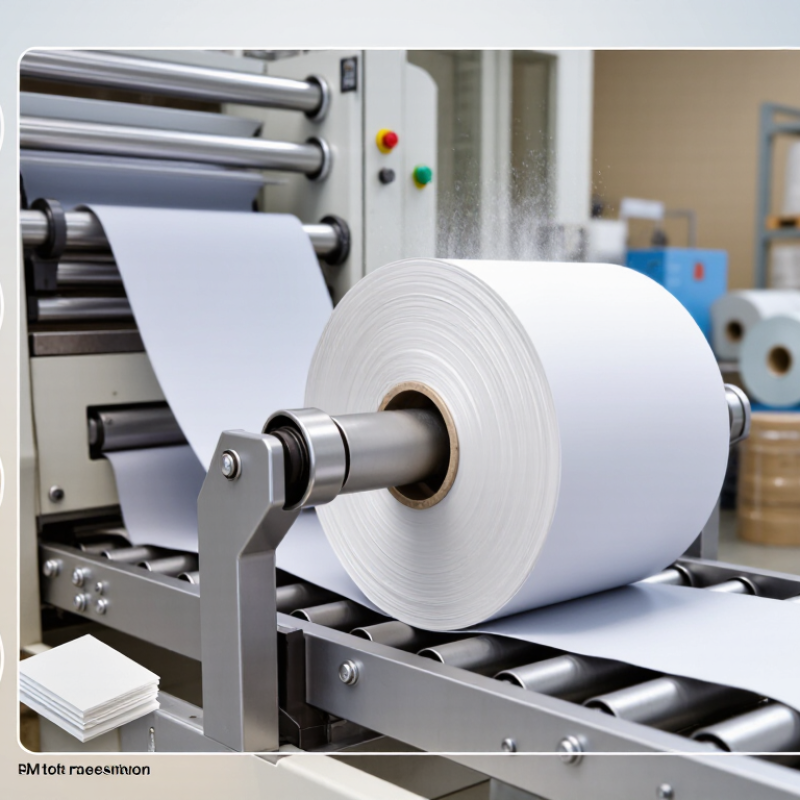
7 Tips for Buying Parent Roll Tissue Paper?
Parent roll tissue paper is the large jumbo reel converted into toilet tissue, towels, napkins, or facial products. It usually contains virgin fiber, recycled fiber, or a controlled blend. Buyers should check basis weight, moisture, softness, tensile strength, reel width, diameter, and core size. These seven details affect machine speed, waste, and finished-sheet quality.
Its industrial use is broad. Converters unwind parent rolls, slit them, emboss them, perforate them, and rewind smaller rolls. Hospitality suppliers often prefer absorbent towel grades. Facial tissue production needs softness and low dust. Toilet tissue requires balanced bulk, strength, and water dispersibility. Smithers’ tissue industry outlook indicates continued global demand growth through 2028, driven by hygiene consumption and converting capacity. The trend sounds positive, but demand does not guarantee suitable material.
IMARC Group valued the global tissue paper market at approximately US$87 billion in 2023. That figure makes quality control more important, not less. Request a technical data sheet and recent test results. Inspect the reel edge, splice quality, packaging, and storage conditions. Confirm whether the roll matches your machine’s unwind tension. A cheaper roll can create stoppages. I have seen purchasing teams focus too heavily on price. That is an easy mistake. Trial runs should measure dust, breakage, caliper variation, and finished-product appearance before approval.
A practical buying guide covering the definition, typical specifications, quality checks, and industrial applications of parent roll tissue paper.
| No. | Buying Dimension | Typical Data or Definition | Why It Matters | Recommended Buyer Check | Main Industrial Uses |
|---|---|---|---|---|---|
| 1 | Understand the Product | Parent roll tissue paper is a large, unconverted tissue roll supplied to manufacturers. It is later rewound, embossed, folded, perforated, or cut into finished products. | The parent roll is the basic production material for converting lines and is not normally sold as a ready-to-use consumer roll. | Confirm whether the quotation is for parent rolls, finished rolls, or cut sheets. Request the roll construction, core details, and technical data sheet. | Toilet tissue, facial tissue, paper towels, napkins, hand towels, industrial wiping products, and specialty hygiene products. |
| 2 | Select the Correct Basis Weight | Common tissue basis weight: approximately 13–40 g/m² per ply. Multi-ply products may use two or more tissue layers. | Basis weight affects softness, strength, absorbency, bulk, roll length, and material cost. | Match the basis weight to the final product. Use lighter grades for soft facial tissue and standard toilet tissue; use heavier or multi-ply grades for towels and industrial wiping. | Facial tissue, toilet tissue, napkins, kitchen towels, hand towels, and high-absorbency wiping rolls. |
| 3 | Check Width and Roll Diameter | Parent-roll width and diameter vary by machine design. Common commercial configurations may use widths around 1.8–3.6 m and diameters around 1.0–2.8 m. | Incorrect dimensions can cause loading problems, unstable unwinding, excessive trim waste, or incompatibility with the converting line. | Provide the exact unwinder limits, usable web width, maximum roll diameter, roll weight, winding direction, and permitted edge trim. | High-speed tissue converting, jumbo toilet-roll production, towel converting, napkin production, and folded tissue manufacturing. |
| 4 | Verify Core and Winding Specifications | Common core inside diameters include approximately 76 mm, 152 mm, and 203 mm, depending on the unwinder and roll size. | Core fit and winding hardness influence roll stability, unwinding performance, web tension, and machine downtime. | Confirm core inside diameter, core material, core length, roll direction, winding tightness, telescoping tolerance, and edge condition. | Automatic rewinding, embossing, laminating, perforating, folding, and high-speed roll converting. |
| 5 | Compare Strength, Absorbency, and Softness | Important performance indicators include machine direction strength, cross direction strength, wet strength, tensile balance, absorbency rate, bulk, and softness. | A grade that is strong enough for converting may still be unsuitable if it feels rough, tears easily when wet, or has poor absorbency. | Request laboratory test results and, where possible, evaluate samples on the actual converting line. Check linting, dust, pinholes, formation, and sheet release. | Personal hygiene tissue, food-service napkins, household towels, medical-use wiping, and industrial cleaning cloths. |
| 6 | Review Fiber Composition and Appearance | Parent rolls may be manufactured from virgin wood pulp, recycled fiber, or a controlled blend. Typical appearance variables include color, brightness, formation, and fiber cleanliness. | Fiber composition affects softness, strength, absorbency, color, environmental claims, and suitability for sensitive applications. | Ask for the fiber composition, recycled content where applicable, brightness or color specification, odor limits, foreign-particle controls, and compliance documents. | White hygiene tissue, recycled commercial tissue, colored napkins, industrial wipes, and applications requiring specific absorbency or sustainability characteristics. |
| 7 | Control Moisture, Packaging, and Storage | A typical tissue moisture range is often about 4–8%, but the agreed specification depends on the grade and test method. | Excessive moisture can affect strength, roll hardness, microbial control, and converting stability. Poor packaging can cause contamination or edge damage. | Confirm moisture limits, packaging layers, pallet or roll protection, storage temperature, warehouse humidity, production date, and FIFO handling requirements. | All parent-roll applications, especially long-distance shipments, high-speed converting, absorbent products, and hygienic end uses. |
| 8 | Evaluate Machine Compatibility | Compatibility depends on web tension, caliper, bulk, winding hardness, roll weight, core size, unwind direction, and the speed of the converting equipment. | A technically acceptable tissue grade may still create wrinkles, breaks, dust, or poor embossing if it does not match the machine settings. | Share the converter model, operating speed, embossing pattern, ply configuration, perforation pitch, and target finished-product dimensions before ordering. | Rewound tissue rolls, folded towels, interfolded napkins, embossed bathroom tissue, and laminated multi-ply products. |
| 9 | Confirm Quality and Delivery Terms | A complete specification should cover basis weight, moisture, roll dimensions, core, strength, absorbency, appearance, packaging, tolerances, inspection method, and delivery schedule. | Clear acceptance criteria reduce disputes, production interruptions, and variation between shipments. | Use an approved sample, written tolerance limits, batch identification, pre-shipment inspection, defect definitions, and a documented claim procedure. | Continuous tissue converting operations, contract manufacturing, hygiene-product production, and large-volume industrial supply programs. |
Note: The numerical ranges shown are common indicative industry ranges rather than universal standards. Final specifications should be confirmed against the converting machine, product design, applicable regulations, and the agreed supplier test method.
