2026 How to Choose Customized Blow Molding Plastic Urinals?
In recent years, the demand for Customized Blow Molding Plastic Urinals has significantly increased. A recent industry report highlights that the global plastic urinal market is expected to grow by 6% annually through 2026. This growth reflects a rising awareness about hygiene and water conservation in public restrooms. Customized solutions allow facilities to cater to specific needs.
Choosing the right customized urinal requires understanding various factors—design, material, and installation. Customization can enhance functionality and aesthetic appeal. However, some facilities may struggle with balancing cost and quality. Ensuring reliability is crucial, as poorly designed models may lead to leaks or maintenance issues.
Moreover, experts stress the importance of sustainability. Utilizing recyclable plastic materials can minimize environmental impact. Facilities must also consider user comfort and accessibility. While customization offers many advantages, continuous reflection is necessary to identify potential shortcomings. As the industry evolves, staying informed about trends is vital for making the best selection.
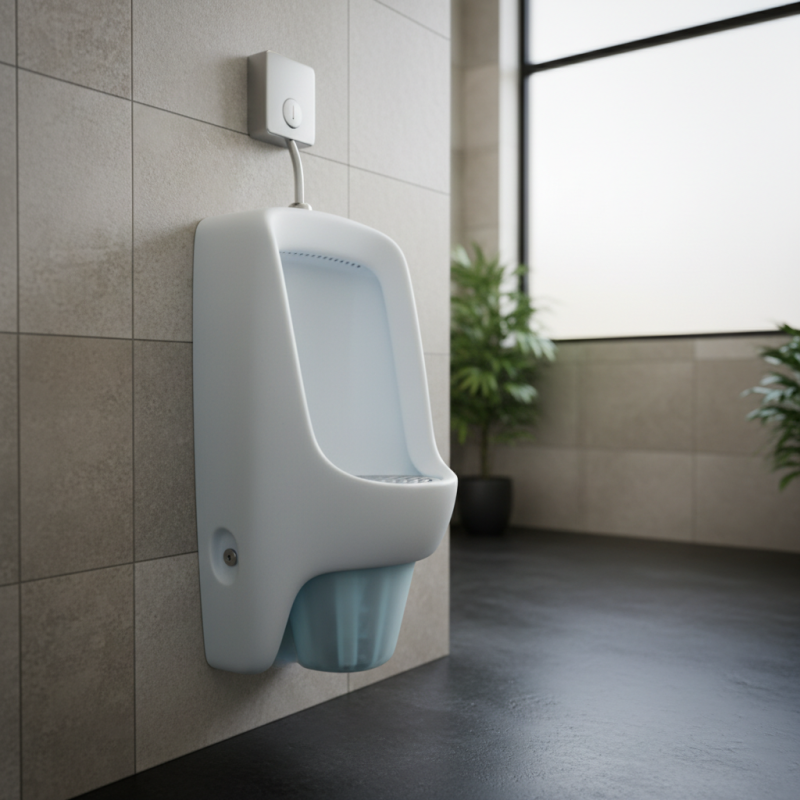
Understanding Blow Molding Process in Urinal Manufacturing
The blow molding process is key in manufacturing plastic urinals. This technique involves heating plastic until it becomes soft and pliable. Once softened, the plastic is blown into a mold. This creates a hollow shape that cools and solidifies. The precision of this process allows for tailored designs fitting various needs.
Quality control is crucial in blow molding. Manufacturers must ensure that the final product maintains structural integrity and usability. Although the process seems straightforward, it requires expertise. Each phase, from molding to cooling, can influence the final product's durability. Regular checks are essential to ensure all components meet safety standards.
While blow molding is efficient, there can be challenges. Molding defects may occur, leading to wastage. It’s important to refine techniques and adapt to material changes. As the industry evolves, staying updated with innovations can enhance the quality of urinals produced. In an era focusing on sustainability, it's crucial to consider eco-friendly materials within this manufacturing sector.
Key Materials Used in Customized Plastic Urinals
When choosing customized blow molding plastic urinals, understanding key materials is crucial. Most plastic urinals are made from polyethylene or polypropylene. These materials offer durability and resistance to various chemicals, making them suitable for different environments. Polyethylene is lightweight and can withstand tough conditions. Polypropylene, on the other hand, provides better impact resistance.
Another important material is PVC. It is less expensive but may not last as long as polyethylene. Buyers should consider the trade-offs between cost and durability. Some plastics can degrade over time under UV exposure. This creates potential issues for urinals placed outdoors. Color and finish can also affect the material’s longevity. High-quality finishes might resist wear better than standard options.
While aesthetics matter, functionality should not be overlooked. Customized designs must meet specific needs and budget constraints. Some manufacturers may not provide clear information about their materials. This could lead to decisions based on incomplete data. Engaging with experts can help ensure the right choice. Understanding materials will lead to better performance and longevity in customized urinals.
Key Materials Used in Customized Plastic Urinals
Evaluating Design Parameters for Optimal Urinal Performance
When choosing customized blow molding plastic urinals, evaluating design parameters is crucial for optimal performance. The shape, size, and angle of the urinal can impact user experience and cleaning efficiency. A well-designed urinal should ensure comfort and maintain hygiene standards.
**Tips:** Consider ergonomic shapes that promote a natural stance. Large urinals might seem convenient, but they can waste water. Adjustable drainage angles can help eliminate splash-back, enhancing user satisfaction.
Material selection is pivotal too. The plastic used must withstand frequent cleaning and resist discoloration. Technically advanced finishes can offer antibacterial properties, helping to maintain a sterile environment. Durability should not compromise aesthetics; a balance is essential.
**Tips:** Test materials for wear and tear. Remember, an attractive urinal can improve restroom aesthetics. Users often underestimate the impact of design on overall satisfaction, so reflection on past designs is valuable for future improvements.
Cost Analysis: Comparing Custom vs. Standard Urinal Options
When considering customized blow molding plastic urinals, cost analysis plays a crucial role. Research indicates custom urinals can range from 20% to 50% more expensive than standard options. Initial costs can be higher, but there's a long-term value. Custom designs can improve user experience and aesthetics, often leading to higher user satisfaction.
According to industry reports, maintenance costs should also be factored in. Custom urinals may offer advanced features that enhance durability. However, these features can also complicate repairs during the product lifecycle. A user must evaluate if the trade-off in cost is worth the benefits offered. Understanding the balance between immediate expense and long-term savings is key.
Production time is another aspect that merits consideration. Custom designs typically require longer lead times, impacting project timelines. Standard urinals are readily available, ensuring quicker deployment. Weigh these factors carefully. Will the distinctive design justify additional costs? Engaging in detailed analyses often reveals unexpected outcomes in the decision-making process.
Sustainability Considerations in Plastic Urinal Production
When considering the production of customized blow molding plastic urinals, sustainability plays a crucial role. The plastic industry is responsible for 4-8% of global greenhouse gas emissions, making sustainable practices essential. Utilizing recycled materials in production can significantly reduce these emissions. Reports indicate that using 30% post-consumer recycled plastic can lower the carbon footprint by 50%.
To ensure sustainability, manufacturers should evaluate their sourcing methods. Selecting suppliers with eco-friendly practices is vital. Additionally, the choice of resins matters. Opting for biodegradable options can lead to a positive environmental impact, even if these materials may cost slightly more.
**Tips:** Verify supplier certifications related to sustainability. Investigate the life cycle of the materials used. Remember, every choice impacts the environment. Continuous evaluation is necessary, as the industry's technology evolves. Being proactive can help achieve long-term sustainability goals.
2026 How to Choose Customized Blow Molding Plastic Urinals? - Sustainability Considerations in Plastic Urinal Production
| Dimension | Value | Sustainability Consideration |
| Material Type | HDPE (High-Density Polyethylene) | Recyclable and Durable |
| Weight | 2.5 kg | Lightweight for Transportation |
| Size (Height) | 450 mm | User Comfort and Accessibility |
| Size (Width) | 300 mm | Space Efficiency |
| Color Options | Various (Customer Preference) | Aesthetic Customization |
| Certification Standards | ISO 9001 | Quality Assurance in Production |
| Manufacturing Process | Blow Molding | Efficient Use of Raw Materials |
| Lifespan | 10+ years | Long-Term Sustainability |
