Sorry, your browser is not supported. For a better experience, keep your browser up to date. Check here for latest versions
Choosing the best Fancy Suit Fanric begins with understanding how cloth behaves in real life. A fabric may look impressive under showroom lights, yet feel heavy during a summer wedding. It may photograph beautifully, but wrinkle after one train journey. Texture, weight, weave, breathability, and recovery deserve equal attention.
Savile Row tailor Timothy Everest offers a useful principle: “The cloth must work with the wearer, not against him.” This idea keeps the choice practical. A smooth wool, such as super 120s merino, can provide elegance and everyday comfort. A wool-silk blend adds a gentle sheen for evening events. Linen brings visible texture and airflow, although it creases quickly. That weakness is part of its character.
Touch the fabric.
Rub a small section between your fingers. Notice whether it springs back or stays crushed. Hold it near a window and inspect the weave. Dense construction often supports better durability, but softness alone does not prove quality. Some luxurious fabrics remain delicate and demand careful storage.
Personal experience matters here. A fabric that suits a groom may disappoint a frequent traveler. Climate, movement, tailoring style, and cleaning habits all influence the decision. I once favored a glossy blend that looked refined, but it showed every crease after sitting. That mistake changed my priorities.
The right Fancy Suit Fanric should support your schedule, not merely impress at first glance. Consider the occasion, then examine the fabric honestly. Fancy does not always mean functional.
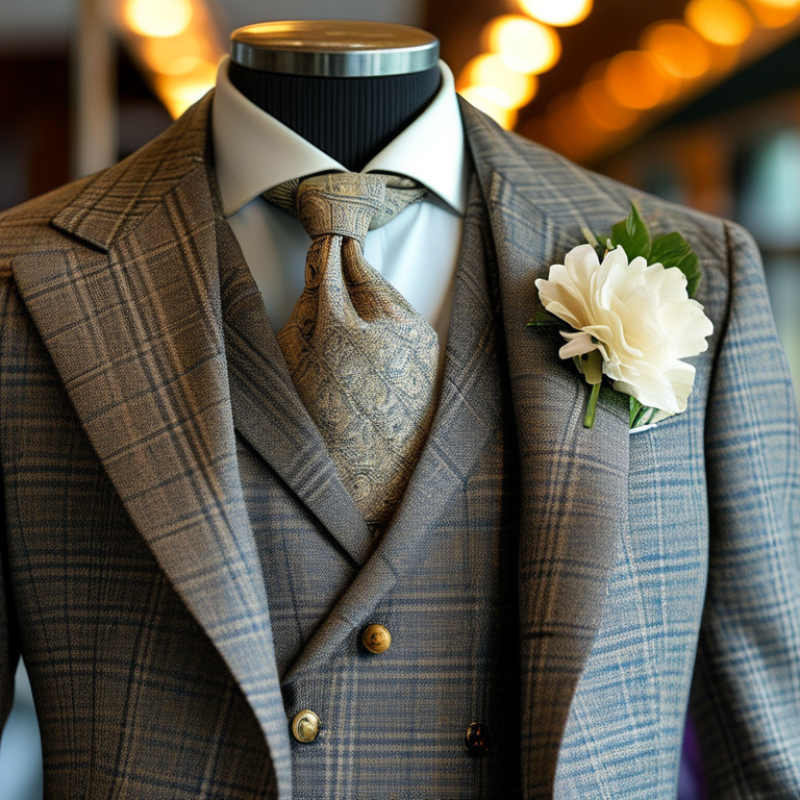
How to Choose the Best Fancy Suit Fabric?
Define your suit’s purpose before admiring its surface. A wedding suit may need a refined drape and gentle sheen. A business suit needs resilience, comfort, and quiet authority. For warm ceremonies, choose breathable wool, linen, or a wool-linen blend. For frequent travel, a tightly woven wool fabric resists wrinkles better. Textile Exchange’s Materials Market Report 2024 reports that wool represents less than 1% of global fiber production. Its limited supply makes quality and sourcing worth checking carefully.
Your setting also controls the fabric’s visual weight. A midnight evening event can accept velvet, satin details, or a smooth superfine wool. Daylight exposes excessive shine. Office lighting reveals cheap-looking texture. Consider movement, too. A heavy cloth can feel elegant in winter, but uncomfortable on crowded trains. A lighter fabric may crease during long sitting. That trade-off is often ignored. It deserves honest attention.
Tips: Hold the fabric near a window. Rub a small section gently. Notice recovery, softness, and surface fuzz. Ask about fiber content, fabric weight, weave, and care requirements. The Higg Materials Sustainability Index and Textile Exchange reports also show why fiber origin and processing deserve scrutiny. Do not choose only by touch. A beautiful fabric can still be impractical. Test it against your real schedule, climate, and setting.
A fancy suit begins with the fabric, not the label. Wool remains the most balanced choice for tailoring. It resists wrinkles, manages moisture, and recovers well after movement. Textile Exchange’s Materials Market Report 2024 estimates global fiber production reached 124 million metric tons in 2023, while wool represented less than 1%. That limited supply can support premium pricing, but scarcity does not guarantee better performance.
For a sharp evening suit, worsted wool offers a smooth surface and controlled drape. Mohair adds a crisp hand, stronger crease recovery, and a subtle sheen, though it can feel less forgiving. Silk-wool blends look luminous under indoor lighting. They feel soft, but silk may reduce abrasion resistance.
Linen gives excellent breathability and a dry texture. It also wrinkles quickly. Very quickly. Velvet creates depth through its raised pile, yet it attracts pressure marks and needs careful storage.
A 240–280 gsm wool fabric often suits year-round tailoring, while lighter linen works better in warm climates.
I learned this through fitting rooms: a fabric that looks luxurious on a roll may feel rigid on the body. Check the weave, lining, and surface under direct light. Technical references from the International Wool Textile Organisation report wool’s natural moisture regain near 14–18%, helping explain its comfort in changing conditions.
Still, no fabric wins every setting. Choose based on climate, movement, maintenance, and how much creasing you can honestly accept.
A fancy suit begins with measurable fabric choices, not a glossy label. When inspecting a bolt, hold it against natural light. The surface should look even, without cloudy patches, loose fibers, or sudden color changes. Gently stretch the cloth, then release it. Good fabric usually recovers quickly, although no material returns perfectly. That small imperfection deserves attention.
Fiber fineness affects softness, but it does not define total quality. The International Wool Textile Organisation classifies superfine wool below 18.5 microns. Finer fibers feel smoother against the neck, yet they may need gentler wear. A practical year-round suit often weighs 240–280 grams per square meter. Heavier cloth, around 300–360 grams, can drape better in cool weather. It may feel too warm indoors.
Texture should show controlled character, not excessive fuzz. Run your fingertips across the surface and check whether the weave feels stable. Textile Exchange’s Materials Market Report 2024 records global fiber production at about 124 million tonnes in 2023. This figure reinforces a useful question: how responsibly and efficiently was the material produced? Construction matters too. Look inside the jacket for clean seam allowances, firm stitching, and a balanced lining. A canvas or structured internal layer can improve shape retention, but poor assembly will still show at the sleeve head. I still make this mistake: admiring softness before checking recovery and seams. The fabric feels luxurious, then loses its shape after a few wears.
How to Choose the Best Fancy Suit Fabric?
A suit fabric should respond to the season, not fight it. For warm weather, choose lightweight wool, linen, or a breathable wool blend. Linen feels cool, but it wrinkles quickly. That relaxed texture can look elegant at daytime events. In colder months, heavier wool, flannel, or velvet provides warmth and visual depth. Velvet suits evening settings well, though it may feel excessive in bright sunlight. I once chose a heavy fabric for a summer ceremony. It looked impressive, but comfort disappeared after an hour.
Fit changes how fabric behaves on the body. A soft fabric follows the figure and creates a fluid silhouette. A structured fabric supports sharper shoulders and cleaner trousers. Check the fabric while walking, sitting, and raising your arms. Fine materials can still look poor when the jacket pulls across the chest. A small amount of stretch may improve movement, but excessive stretch can weaken the suit’s formal shape. Watch the trousers.
Personal style depends on surface, color, and confidence. Matte fabrics appear understated and work across more occasions. Subtle texture adds interest without making the suit seem theatrical. A slight sheen suits evening wear, but strong shine may emphasize wrinkles and fit problems. Touch the fabric under natural light before choosing it. I still sometimes prefer appearance over practicality, and that is not always wise. A beautiful suit should support your presence, not demand constant adjustment.
How to Choose the Best Fancy Suit Fabric?
Price matters, but it should be measured against years of wear. A dense worsted wool cloth often costs more, yet it can hold shape through repeated use. Check its recovery after pressing. The surface should feel firm, not brittle. Very high “Super” numbers feel luxurious, but finer fibers may need gentler handling. They are not automatically better value. Ask about abrasion resistance, lining quality, and repair options before ordering.
Textile Exchange’s Materials Market Report 2024 states that wool represented less than 1% of global fiber production in 2023. That scarcity can increase cost, but it does not prove durability. A wool-rich blend may reduce the purchase price and improve crease resistance. However, fiber percentages alone cannot predict comfort or lifespan. The weave, yarn quality, and tailoring construction matter more than a fashionable label.
Maintenance changes the real price. Brush the jacket after wearing it, let it rest, and avoid unnecessary dry cleaning. Follow the care label carefully. WRAP’s Valuing Our Clothes report estimates that extending clothing life by nine months can reduce its carbon, water, and waste footprints by about 20–30%. A $700 suit worn 150 times costs about $4.67 per wear. A $1,000 suit worn 300 times costs about $3.33. The cheaper choice may lose. Sometimes, it does.
| Fabric Type | Typical Fiber Composition | Approximate Fabric Price per Meter (USD) | Typical Weight | Appearance and Hand Feel | Durability | Maintenance | Best Use | Long-Term Value |
|---|---|---|---|---|---|---|---|---|
| Worsted Wool, Super 100s–110s | 100% wool | $35–$90 | 250–300 g/m² | Smooth, refined, breathable, and moderately lustrous. | ★★★★★ | Professional dry cleaning only when needed; brush after wear, air the suit, and use a broad hanger. | Frequent business wear, travel, and versatile formal suits. | Excellent. A strong balance of resilience, comfort, price, and repairability. |
| Worsted Wool, Super 120s–130s | 100% fine wool | $55–$130 | 230–280 g/m² | Softer and more elegant than standard worsted wool, with a clean drape. | ★★★★☆ | Rotate between wears, steam lightly, and avoid excessive dry cleaning or abrasion. | Elevated office suits, weddings, dinners, and regular formal wear. | Very good. Premium comfort without becoming excessively delicate. |
| Super 150s–170s Wool | 100% extra-fine wool | $90–$220 | 210–260 g/m² | Very smooth, soft, lightweight, and visibly luxurious. | ★★★☆☆ | Requires careful rotation, gentle brushing, proper storage, and limited cleaning. | Occasional luxury suits, formal events, and high-comfort indoor wear. | Moderate to good. High visual appeal, but lower tolerance for daily abrasion. |
| Wool–Mohair Blend | Typically 70–85% wool and 15–30% mohair | $60–$150 | 230–300 g/m² | Crisp, lightly lustrous, cool to wear, and naturally resistant to creasing. | ★★★★★ | Brush regularly and hang correctly; professional cleaning should be occasional. | Sharp evening suits, warm-weather formalwear, and structured tailoring. | Excellent. Long-wearing and distinctive, especially for event-focused wardrobes. |
| Wool–Silk Blend | Typically 70–90% wool and 10–30% silk | $75–$180 | 220–280 g/m² | Elegant sheen, soft hand, and fluid drape with a more decorative finish. | ★★★☆☆ | Protect from snags, friction, perspiration, and frequent cleaning; store in a breathable garment bag. | Cocktail suits, receptions, evening events, and statement jackets. | Good for occasional wear; less economical for heavy daily use. |
| Wool–Linen–Silk Blend | Commonly 40–60% wool, 20–40% linen, and 5–20% silk | $55–$140 | 220–280 g/m² | Textured, breathable, softly lustrous, and intentionally relaxed. | ★★★★☆ | Expect natural creasing; steam or press gently and dry-clean only when necessary. | Summer weddings, resort tailoring, and stylish semi-formal occasions. | Very good when seasonal versatility and texture matter more than a perfectly smooth finish. |
| Linen | 100% flax linen | $25–$80 | 180–280 g/m² | Highly breathable, dry to the touch, and naturally textured with visible creasing. | ★★★★☆ | Press or steam regularly; follow the mill’s care instructions and avoid over-cleaning. | Hot climates, daytime ceremonies, and relaxed summer suits. | Good. Affordable and comfortable, although its intentional wrinkles require acceptance. |
| Cotton Sateen or Cotton Twill | 100% cotton | $20–$60 | 220–320 g/m² | Comfortable and matte to subtly glossy, with a less formal drape than wool. | ★★★★☆ | May be washable depending on finishing; pressing is often needed because cotton wrinkles. | Creative officewear, casual tailoring, and warm-weather separates. | Good. Cost-effective and practical, but usually less formal and shape-retentive than wool. |
| Velvet | Usually cotton, silk, or a synthetic-fiber blend with a cut pile | $35–$140 | 250–450 g/m² | Deep pile, rich color, soft touch, and strong light-reflecting texture. | ★★★☆☆ | Professional cleaning is recommended; hang carefully and avoid crushing the pile. | Dinner jackets, festive events, stagewear, and winter evening occasions. | Good for occasional statement pieces; limited versatility reduces everyday value. |
| Polyester–Viscose Suiting | Commonly 50–70% polyester and 30–50% viscose | $12–$35 | 220–300 g/m² | Smooth, stable, and often slightly less breathable than natural-fiber fabrics. | ★★★★☆ | Generally easy-care; follow the label, avoid high heat, and use a low-temperature press. | Budget-conscious occasional suits, uniforms, and high-maintenance environments. | Good on a limited budget; lower breathability and aging characteristics can reduce premium appeal. |
Note: Prices are broad retail estimates for suiting fabric only and vary by fiber quality, country, width, finishing, and season. Fabric weight is approximate; actual performance also depends on weave, tailoring, lining, construction, and frequency of wear.