How to Choose the Best Cosmetic Glass Jar for Your Products?
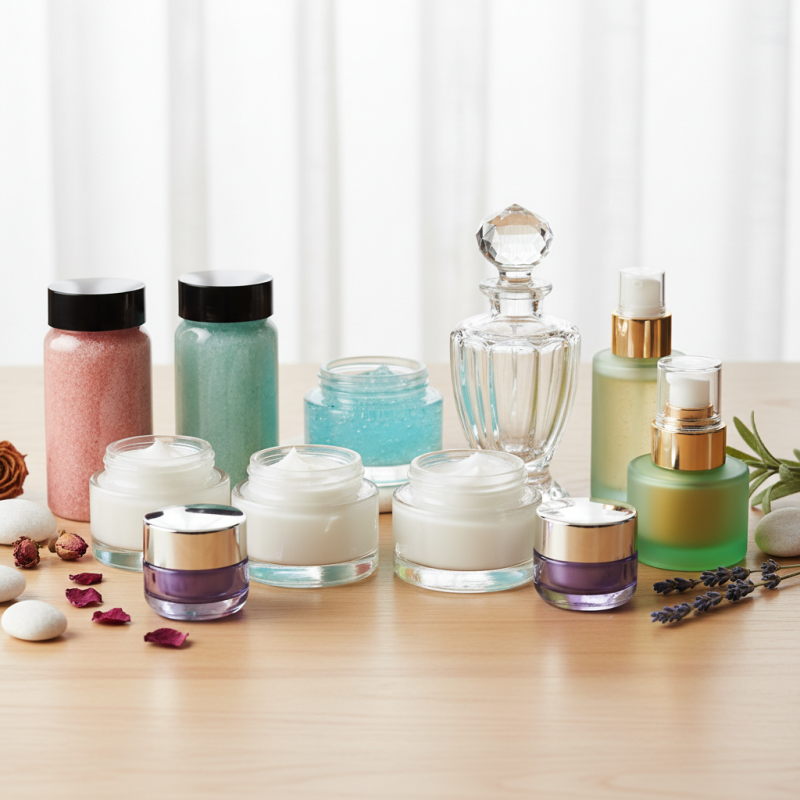
Choosing the right Cosmetic Glass Jar is crucial for your beauty products. These jars are not just containers; they also enhance the overall presentation. Customers often judge a product by its packaging. A well-designed jar can attract attention and drive sales.
When selecting a Cosmetic Glass Jar, consider size and shape. The jar should fit the product. A small jar works well for creams, while larger ones may suit powders or scrubs. Color also matters. Clear jars showcase product quality, while colored ones can convey luxury or playfulness.
Lastly, think about the closure type. A screw cap offers protection, while a pump might be easier for usage. Remember, the best jar is one that meets both functional and aesthetic needs. Reflecting on personal experiences can help. Sometimes, you might buy a product solely for its jar. This shows the power of great design in the beauty industry.
Selecting the Right Size: Understanding Capacity and Volume for Jars
When selecting cosmetic glass jars, size plays a crucial role. A jar’s capacity impacts the product's usability and customer satisfaction. Understanding volume can be tricky. Many people think a jar can hold more than it actually does. This misconception can lead to over or underestimating needs.
For creams and lotions, consider the typical daily use. A jar that holds 30ml may seem small but is often sufficient for several weeks. On the other hand, larger jars can lead to waste if the product expires before it’s fully used. Always look at the intended use. If it's a product meant for travel, smaller sizes work well.
**Tip:** Before settling on a size, test it with your product. Fill the jar and see if it meets your expectations. Compare the difference between filled and empty jars. This reflection can highlight any shortcomings in your choice.
Remember, customer perceptions matter. A jar that looks too big may seem extravagant. You want your product to feel just right. The perfect size encourages repeated purchases and enhances the experience.
Material Matters: Comparing Glass, Plastic, and Aluminum Options
When selecting cosmetic containers, material plays a crucial role. Glass, plastic, and aluminum all have unique properties that affect both product integrity and consumer perception. According to a report by Smithers Pira, the global demand for glass packaging in cosmetics will grow by 3.4% annually. Consumers often prefer glass due to its premium feel and ability to preserve product quality. However, glass is fragile and can be heavy, raising shipping costs.
Plastic containers are lightweight and versatile, making them a popular choice. They are generally more affordable and less likely to break during transportation. However, some consumers are increasingly concerned about plastic's environmental impact. The same Smithers Pira report indicates that the market for sustainable packaging could see a 5% annual rise. Brands might need to reflect on how their packaging choices align with consumer values about sustainability.
Aluminum containers provide an alternative that combines durability and recyclability. They are lightweight and offer excellent protection against light and air, which can degrade product quality. Yet, aluminum containers can be more expensive than plastic. The challenge remains: how do brands balance cost, sustainability, and perceived quality? Each material offers advantages and disadvantages that require careful consideration.
Evaluating Aesthetic Appeal: Design Trends in Cosmetic Packaging
When selecting a cosmetic glass jar, aesthetic appeal plays a vital role. Consumers are drawn to beautiful packaging. Simple, clean lines evoke elegance. However, overcomplicating designs can lead to confusion. Attractive colors can also enhance visual appeal. Soft pastels and bold hues each convey unique messages.
Current design trends emphasize sustainability too. Eco-friendly materials are becoming more popular. They attract environmentally conscious consumers. Yet, balancing sustainability with appearance is tricky. Some often overlook the importance of texture. A smooth finish feels luxurious, but matte surfaces offer a modern look. Each choice impacts consumer perception.
While functionality matters, aesthetics cannot be ignored. A well-designed jar enhances brand identity. It’s crucial to reflect your product's essence. But sometimes, the design may distract from the product inside. It’s essential to maintain harmony between the two elements. This balance is often challenging but worth the effort.
Understanding Regulatory Compliance: Safety Standards for Cosmetic Jars
Choosing the right cosmetic glass jar involves understanding safety standards. Regulatory compliance is crucial for manufacturers. In 2021, approximately 50% of cosmetic failures in the market were due to non-compliance with packaging standards. This includes materials that could leach harmful substances.
Safety standards vary by region. In Europe, the REACH regulation mandates that cosmetic packaging materials must not contain toxic elements. In comparison, the U.S. FDA oversees cosmetic packaging but lacks comprehensive regulations. This leads to inconsistent safety measures across different brands.
Glass jars offer a sustainable option, but they must meet specific safety criteria. For instance, heavy metal contamination is a concern. Reports indicate that nearly 30% of glass products sample found unsafe levels of lead. Brands must prioritize selecting jars from reputable sources that adhere to safety protocols. Ultimately, staying informed about these regulations is vital to avoid costly recalls and consumer distrust.
Comparison of Safety Standards for Cosmetic Jars
The chart above illustrates the importance rating of different safety standards for cosmetic jars. Material safety and toxicological assessments are rated highest, emphasizing their critical role in ensuring product safety and compliance.
Cost Considerations: Balancing Quality and Affordability in Jar Selection
When choosing a cosmetic glass jar, cost is a critical factor. Balancing quality and affordability can be challenging. According to a recent industry report, premium packaging accounts for about 30% of the total production cost. Selecting high-quality glass is essential for preserving product integrity. However, opting for cheaper options may sacrifice safety and shelf life.
Opt for suppliers that offer varying quality grades. Research shows that jars in the mid-range price category often deliver adequate protection without significant risk. For example, while a lower-priced jar may cost $1.00, a slightly higher-quality option might be $1.50. This small increase can enhance durability. Evaluate the potential return on investment.
Consider sustainability as well. Eco-friendly packaging is gaining popularity. Brands that emphasize green credentials are often more appealing to consumers. However, the initial cost of sustainable materials may be higher. A study indicated that 72% of consumers are willing to pay more for such products. This highlights the importance of aligning value with consumer expectations, even if it adds complexity to decision-making.