Sourcing Magnesium Oxide Powder in 2026 requires more than comparing prices on supplier websites. Global buyers need dependable material, consistent documentation, and clear communication across different markets. A supplier’s technical capability often appears in small details, such as batch numbering, sealed packaging, and timely certificate updates.
This guide examines leading magnesium oxide suppliers for industrial, agricultural, construction, environmental, and specialty applications. It considers purity, particle size, reactivity, calcination level, moisture control, and production capacity. Buyers should also review certificates of analysis, safety data sheets, quality systems, and relevant import requirements before placing an order. A product labeled “high purity” may still perform differently between batches.
Testing matters.
Reliable suppliers can explain how they control raw materials, kiln temperatures, milling processes, and contamination risks. They should provide representative samples, not only attractive laboratory results. Packaging also deserves attention. A damaged 25-kilogram bag can create storage problems, production delays, and unexpected waste.
No supplier is perfect. Even experienced companies may face shipping disruptions, changing energy costs, or inconsistent regional documentation. This comparison therefore avoids judging suppliers by marketing language alone. It focuses on verifiable evidence, practical buyer concerns, and the ability to support long-term contracts. Readers should confirm current specifications directly with each supplier, because product ranges and certifications can change during 2026. Careful qualification remains essential, especially when Magnesium Oxide Powder is used in regulated or performance-sensitive applications.
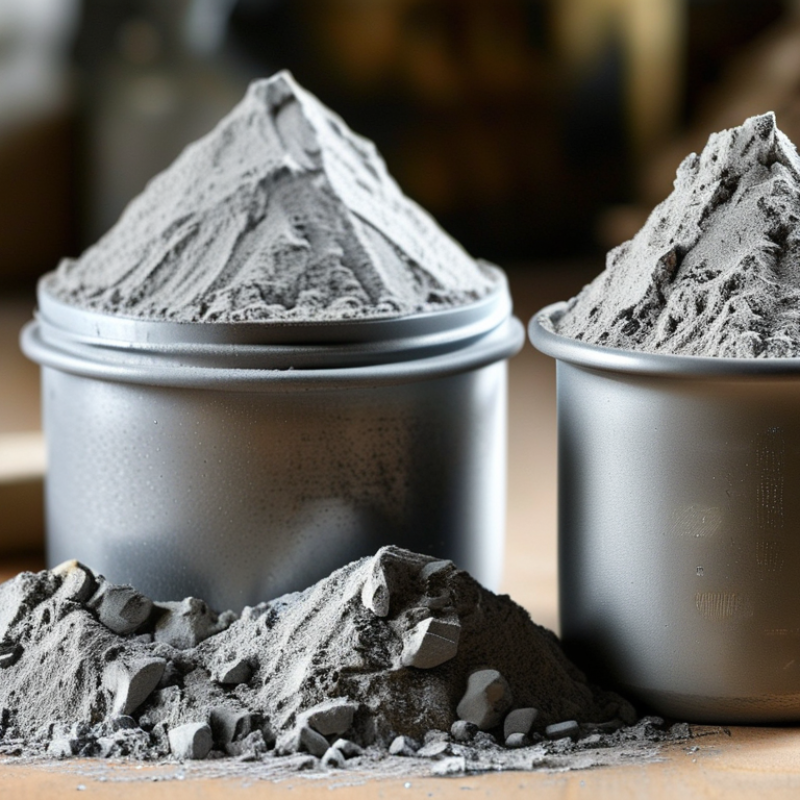
Magnesium oxide powder is a white, alkaline mineral produced mainly from magnesite or magnesium-rich brines. Its value depends on more than chemical purity. Particle size, reactivity, loss on ignition, moisture, and trace metals can change performance significantly. In steelmaking, MgO helps protect refractory linings from corrosive slags. The World Steel Association reported about 1.88 billion tonnes of crude steel production in 2024, showing why stable refractory materials remain important for global industry.
Global buyers also need MgO for water treatment, animal nutrition, agriculture, and chemical processing. The USGS Mineral Commodity Summaries 2025 lists refractory products, environmental applications, and magnesium compounds among major demand areas. Reactive grades can neutralize acidic streams quickly, while lower-reactivity grades may suit controlled agricultural release. Small differences matter. A bag that looks identical may behave differently in storage or mixing.
Procurement should verify test methods, not only advertised purity. Ask for recent certificates covering MgO content, particle distribution, moisture, and heavy metals. Confirm packaging strength before long-distance shipment. It is easy to focus on price and overlook reactivity or caking. That can become expensive. Industry reports provide useful market direction, but laboratory testing remains essential because specifications and local operating conditions are rarely identical.
| Rank | Supplier Profile | Common Supply Region | Typical MgO Purity | Reactivity / Grade | Typical Particle Size | Main Buyer Applications | Common Quality Documents | Global Buyer Advantages |
|---|---|---|---|---|---|---|---|---|
| 01 | High-purity light-burned magnesium oxide supplier | East Asia and selected European production markets | 96%–99.5% MgO | High-reactivity, light-burned grade; typically produced at lower calcination temperatures than dead-burned material | Fine powder, commonly below 100 mesh; finer grades may be supplied for specialty processing | Food and pharmaceutical processing, animal nutrition, water treatment, rubber compounds, specialty chemicals | Certificate of Analysis, Safety Data Sheet, heavy-metal test, loss-on-ignition result, particle-size report | High surface area, fast reaction with acids, and suitability for applications requiring controlled dissolution |
| 02 | Industrial-grade caustic-calcined magnesium oxide supplier | China, India, Southeast Asia, and other mineral-processing regions | 85%–97% MgO | Medium-to-high reactivity; grade selection depends on calcination conditions and raw-material chemistry | Typically 100–200 mesh, with customized milling available | Fertilizer, wastewater neutralization, pulp and paper, mining, construction chemicals, and industrial compounds | Certificate of Analysis, SDS, technical data sheet, sieve analysis, moisture and chloride data | Broad availability, flexible packaging, and competitive suitability for high-volume industrial use |
| 03 | Low-iron and low-heavy-metal magnesium oxide supplier | North America, Europe, and certified Asian manufacturing facilities | 97%–99.5% MgO | Light-burned or specialty reactive grade with controlled impurity levels | Fine powder, commonly 200 mesh or application-specific micronized grades | Advanced ceramics, electrical insulation, specialty glass, pharmaceutical intermediates, and high-performance formulations | Trace-metal profile, Certificate of Analysis, ISO quality records, SDS, and batch traceability documentation | Improved process consistency where iron, lead, arsenic, mercury, or other trace impurities must be controlled |
| 04 | Dead-burned magnesium oxide supplier | China, Europe, Turkey, and other magnesite-producing regions | 90%–98.5% MgO | Low-reactivity material calcined at high temperature; designed for thermal stability rather than rapid dissolution | Fine powder, granular material, or custom-sized fractions | Refractory bricks, furnace linings, kiln furniture, foundry applications, and high-temperature insulation | Certificate of Analysis, refractory-grade test data, bulk density, apparent porosity, chemical analysis, SDS | High melting point, strong resistance to heat, and suitability for demanding refractory environments |
| 05 | Fused magnesium oxide supplier | Specialized producers in Asia, Europe, and North America | 97%–99.5% MgO | Very low reactivity and highly crystalline structure created by electric-furnace fusion | Available as powder, grit, or classified particles according to the end use | Electrical insulation, refractory products, high-temperature ceramics, and premium abrasive formulations | Crystal-phase data, chemical analysis, particle-size distribution, SDS, and batch inspection report | Excellent thermal resistance, low electrical conductivity, and strong resistance to chemical attack |
| 06 | Magnesium oxide supplier for animal-feed and agricultural applications | North America, Europe, China, India, and regional mineral-processing hubs | 80%–99% MgO | Controlled-reactivity feed or agricultural grade; final suitability depends on applicable regulations | Powder or granulated form, selected to reduce dust and improve handling | Ruminant-feed magnesium supplementation, soil conditioning, fertilizer blends, and crop-nutrient products | Feed-grade or agricultural compliance documents, Certificate of Analysis, fluorine and heavy-metal results, SDS | Provides magnesium and alkalinity; product selection can be adjusted for feed intake, soil pH, and dissolution rate |
| 07 | Magnesium oxide supplier for water and environmental treatment | North America, Europe, Australia, and large Asian production markets | 85%–98% MgO | Reactive grade selected for acid neutralization and controlled alkalinity release | Fine powder or granular material, depending on dosing equipment and treatment design | Industrial wastewater treatment, acid mine drainage, flue-gas treatment, and pH adjustment | Certificate of Analysis, neutralization-performance data, SDS, leachable-metal test, and particle-size report | Solid alkaline reagent that can reduce handling of liquid caustic chemicals in suitable treatment systems |
| 08 | Custom-formulated magnesium oxide powder supplier | Specialty chemical manufacturing regions worldwide | 90%–99.5% MgO | Customized reactivity, surface treatment, particle morphology, or blended composition | From coarse powder to micronized material; exact distribution is agreed by specification | Rubber vulcanization, adhesives, plastics, coatings, pharmaceuticals, ceramics, and proprietary formulations | Technical Data Sheet, Certificate of Analysis, SDS, application test report, change-control notice, and sample approval record | Allows buyers to match reactivity, moisture, particle size, and impurity limits to a specific production process |
